Why ibc Matter for Modern Storage and Transport
ibc help businesses move and store liquids and bulk materials with less waste, better space efficiency, and smoother handling. This guide breaks down how ibc work, where they fit best, and what to check before buying.
Across manufacturing, logistics, and on-site operations, ibc have become a practical standard for bulk handling. The reason is simple. A well-chosen ibc reduces the number of containers you manage, cuts handling time, and keeps storage areas organized. At the same time, ibc can support safer workflows when the container material, valves, and closures match the product you are storing.
Check product options:
ibc
What ibc are designed to do
ibc, short for Intermediate Bulk Container, are reusable containers built for storing and transporting liquids or flowable bulk materials. Many ibc are designed around a cube-like footprint to maximize space usage, while still remaining manageable with forklifts and pallet jacks. In real operations, this means faster movement, cleaner stacking, and less time spent dealing with small packaging.
Common situations where ibc work well
ibc are not limited to one industry. They are typically selected when the workflow benefits from bulk volume, repeat use, and predictable handling. For example:
- Production facilities: Moving process liquids between mixing, storage, and filling steps with fewer container swaps.
- Warehousing and distribution: Reducing floor congestion by using stack-friendly bulk formats.
- Farms and outdoor sites: Holding water or compatible inputs where portable, rugged storage is useful.
Operational benefits you can measure
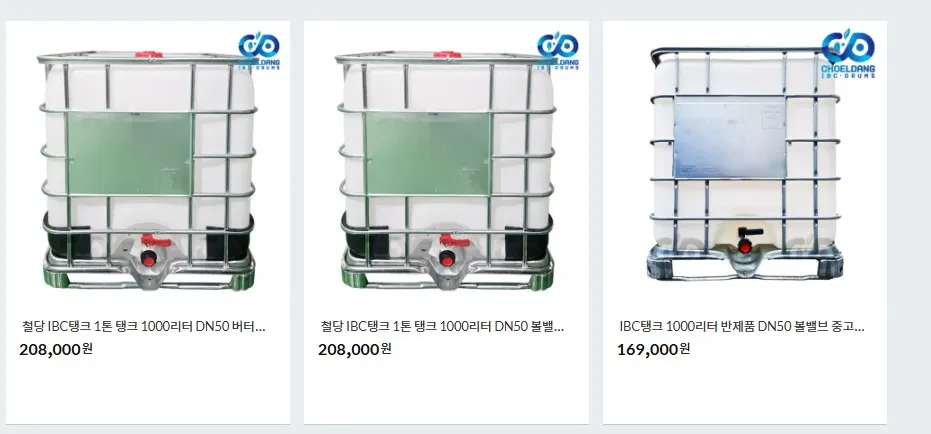
When ibc are a good fit, the benefits show up in daily operations. Instead of focusing only on the container itself, consider what ibc can change in your routine:
| Operational gain | What improves |
|---|---|
| Fewer handling steps | Bulk volume reduces repeated lifting, opening, and repacking compared to smaller containers. |
| Cleaner storage layout | Square footprint and stackability help keep aisles clear and inventory zones consistent. |
| Better repeat-use economics | Reusable ibc can lower long-term packaging costs when cleaning and return logistics are in place. |
What to check before choosing ibc
To avoid mismatches, select ibc based on your contents, environment, and handling style. The checklist below helps prevent common mistakes:
- Content compatibility: Confirm the inner material and sealing parts are suitable for your liquid or bulk material.
- Discharge method: Choose a valve and outlet style that matches how you fill, drain, or dose the product.
- Handling and access: Confirm forklift entry, stacking limits, and the footprint that fits your storage layout.
Maintenance and handling tips for longer life
ibc last longer when they are treated as part of a system rather than a one-time package. Keep closures clean, avoid unnecessary UV exposure for long outdoor storage, and store units on stable, level surfaces. If you reuse ibc, ensure cleaning processes match the material and the product type, especially when switching contents.
In summary, ibc can be a strong choice for organizations that want simpler bulk handling, better use of space, and repeatable movement processes. If you align ibc selection with the product you store and the way your team works, you can improve efficiency without adding complexity.
If you are planning to introduce ibc into your operation, start with a clear definition of your contents and handling steps, then match the container features to those requirements. That approach keeps ibc practical, safe, and cost-effective.